

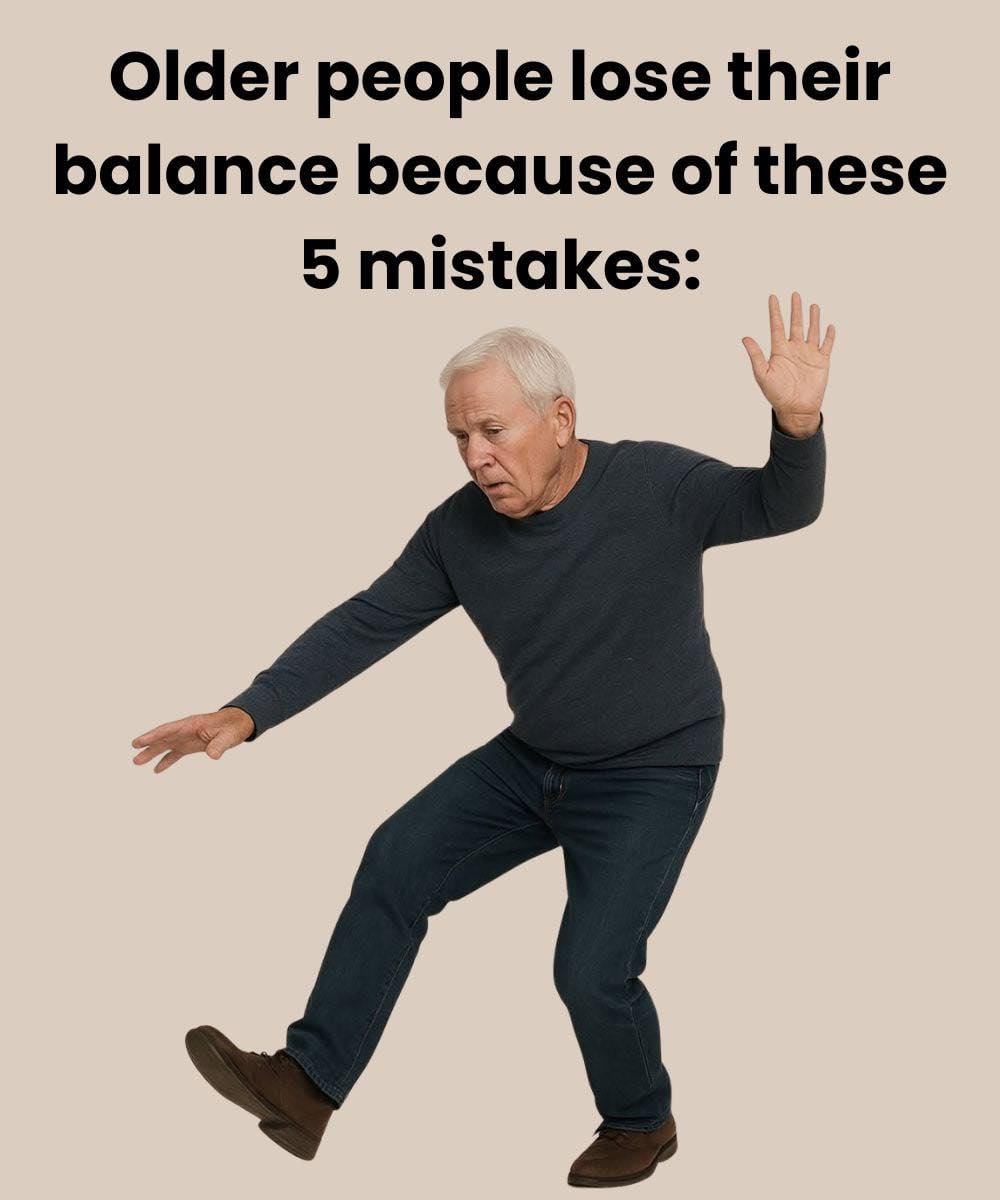
Losing stability, worrying about tripping, or feeling unsure with each step often happens slowly. Over time, these signs are easy to dismiss as “just part of getting older.” But balance issues are not always inevitable. In many cases, they stem from small, everyday habits that quietly work against the body. The encouraging truth is that many of these habits are easy to change—and doing so can make a meaningful difference in long-term stability.
A lifestyle with too little movement weakens the body
Spending long hours sitting, moving less, or constantly postponing physical activity may feel comfortable, but the body needs regular motion. Muscles in the legs, core, and back play a key role in balance. When they aren’t used enough, weakness builds gradually, often leading to insecurity while standing or walking.
The solution doesn’t require intense exercise. Simple activities like walking for 20–30 minutes a day, gentle stretching in the morning and evening, or low-impact practices such as yoga or tai chi can greatly improve coordination and confidence. Starting slowly and increasing activity little by little helps prevent strain and fatigue.
Inappropriate footwear can make every step harder
Footwear has a bigger impact on balance than many people realize. Shoes that are too loose, have smooth soles, or offer poor support can turn even familiar surfaces into slipping hazards.
Choosing closed shoes with firm support, non-slip soles, and proper heel stability can significantly reduce risk. Whether indoors or outdoors, prioritizing safety doesn’t mean sacrificing comfort or style. Feeling secure in your shoes directly supports safer movement.