

1. The Napkin Test
Claim: Real honey stays put, while fake honey spreads and creates a wet ring.
Reality: Partially true. It can hint at water content, but certain natural honeys (like acacia) may still spread. Not a reliable solo test.
2. The Hexagon Shape Test
Claim: Real honey forms hexagons when shaken under water.
Reality: False. There’s no scientific backing. Honey will sink and dissolve slowly regardless of quality.
3. Ants Avoid Pure Honey
Claim: Ants won’t go near real honey.
Reality: Incorrect. Ants are drawn to sugar — and honey, real or not, is full of it. Bees don’t produce any ant-repelling substances.
4. Density and Dissolution
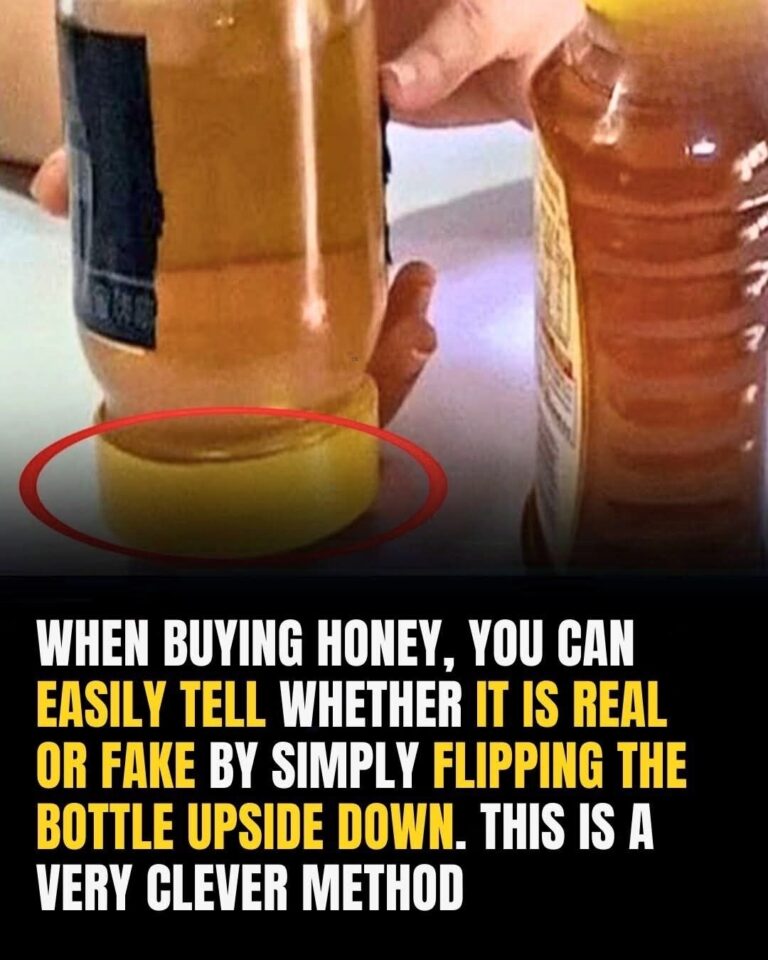
Claim: Authentic honey is thick, dissolves slowly, and shows a slow-moving air bubble when flipped.
Reality: Sometimes true. These signs can suggest lower water content, but consistency varies between honey types.
The Bottom Line
Unfortunately, no home method can definitively confirm if your honey is pure. That’s why honey ranks among the top three most commonly adulterated foods, alongside milk and olive oil. Imitations are becoming increasingly sophisticated — many look, feel, and even taste like the real thing.
The only way to know for sure? Laboratory testing.