

Step 2: Wipe Away Loose Dirt
Use a damp microfiber cloth to remove:
Dust
Food crumbs
Sticky residue
Surface grime
Be sure to clean the entire gasket, including all corners.Water & Marine Sciences
Discover more
Cleaning
Household Cleaning Supplies
Oral & Dental Care
Step 3: Clean Inside the Folds
The folds of the gasket often trap hidden dirt and moisture.
Use a soft toothbrush dipped in your cleaning solution to gently scrub:
Inner grooves
Corners
Creases
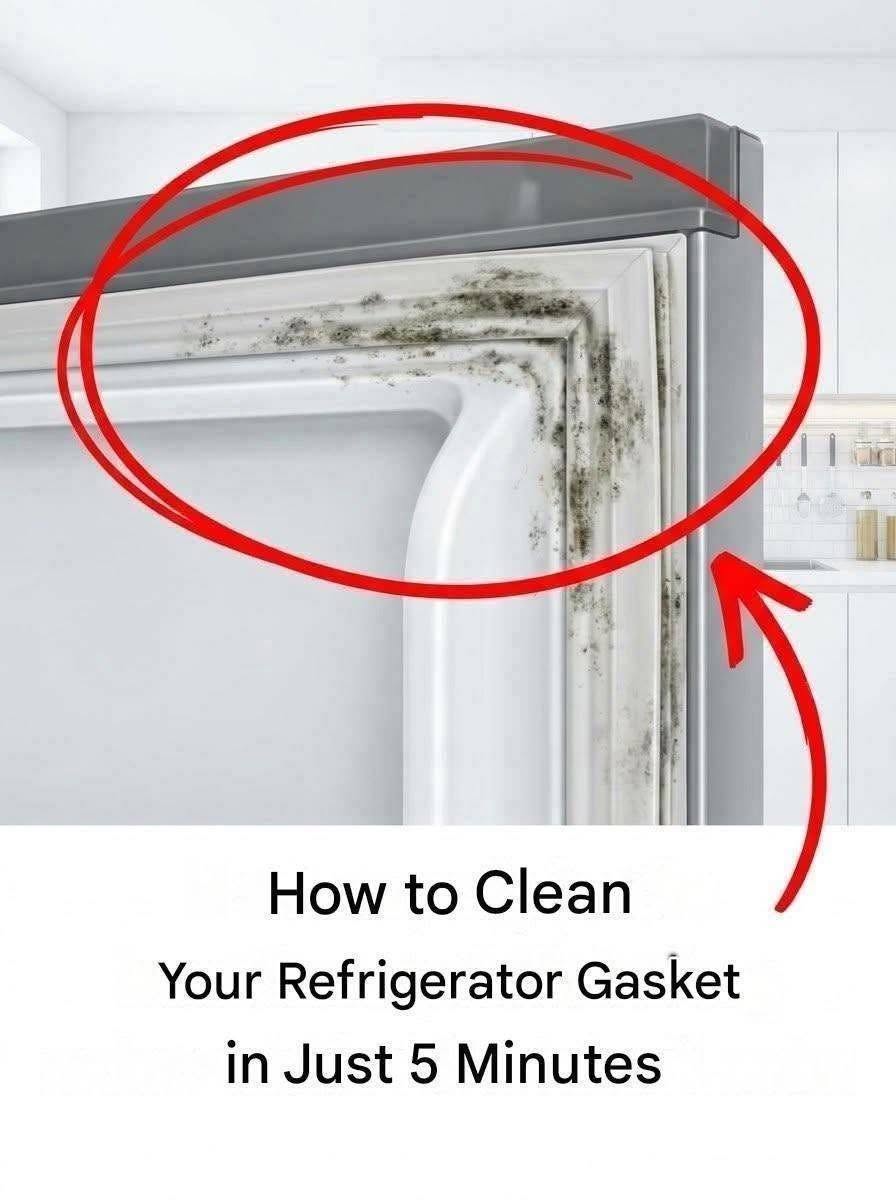
Moldy spots
Use cotton swabs to reach tight areas if needed.
Step 4: Remove Mold and Mildew
If you notice black or gray spots:Toothbrushes
Apply the vinegar solution or baking soda mixture.
Let it sit for 2–3 minutes.
Gently scrub with the toothbrush.
Wipe clean with a damp cloth.
For extensive mold growth or a damaged gasket, replacement may be a better option than repeated cleaning.
Step 5: Dry Thoroughly
Moisture encourages mold to return.
Discover more
Apparel Services
Building Materials & Supplies
kitchen
Use a clean, dry towel to wipe the gasket completely dry, paying special attention to the folds and corners.
Step 6: Check the Seal
Once clean, inspect the gasket for:Cleaning Services
Cracks
Tears
Warping
Areas pulling away from the door
A damaged gasket can let cold air escape, causing your refrigerator to work harder and use more energy.
A simple test is to close the door on a sheet of paper. If the paper slides out easily without resistance, the seal may need adjustment or replacement.
Bonus Tip: Keep the Rubber Soft
After cleaning and drying, some appliance experts recommend applying a very thin layer of food-grade silicone lubricant (made for rubber seals) if the gasket is becoming dry or stiff. Avoid using petroleum jelly unless your refrigerator manufacturer specifically recommends it, as petroleum-based products can damage some types of rubber over time.Bathroom
How Often Should You Clean It?
For best results:
Discover more
Water Supply & Treatment
clean
Clean
Wipe the gasket weekly during routine kitchen cleaning.
Deep clean it once a month.
Clean immediately if you notice spills, sticky residue, or mold.
Regular maintenance helps keep the seal in good condition and reduces the chance of mold returning.
Tips to Prevent Mold
Wipe up spills promptly.
Avoid leaving the refrigerator door open longer than necessary.
Check that the door closes completely after each use.
Keep the refrigerator at the recommended temperature (typically around 37–40°F (3–4°C)).
Clean the gasket regularly to prevent buildup.
The Bottom Line
Cleaning your refrigerator door gasket takes only a few minutes but can make a big difference. A clean seal helps your refrigerator stay efficient, prevents unpleasant odors, and reduces the risk of mold and mildew. With warm soapy water, a soft brush, and a little routine maintenance, you can keep your refrigerator fresh and running efficiently for years to come.Refrigerators & Freezers
Safety Tip: Never use sharp objects, steel wool, or abrasive scrubbers on the gasket, as they can damage the rubber and reduce its ability to seal properly.