

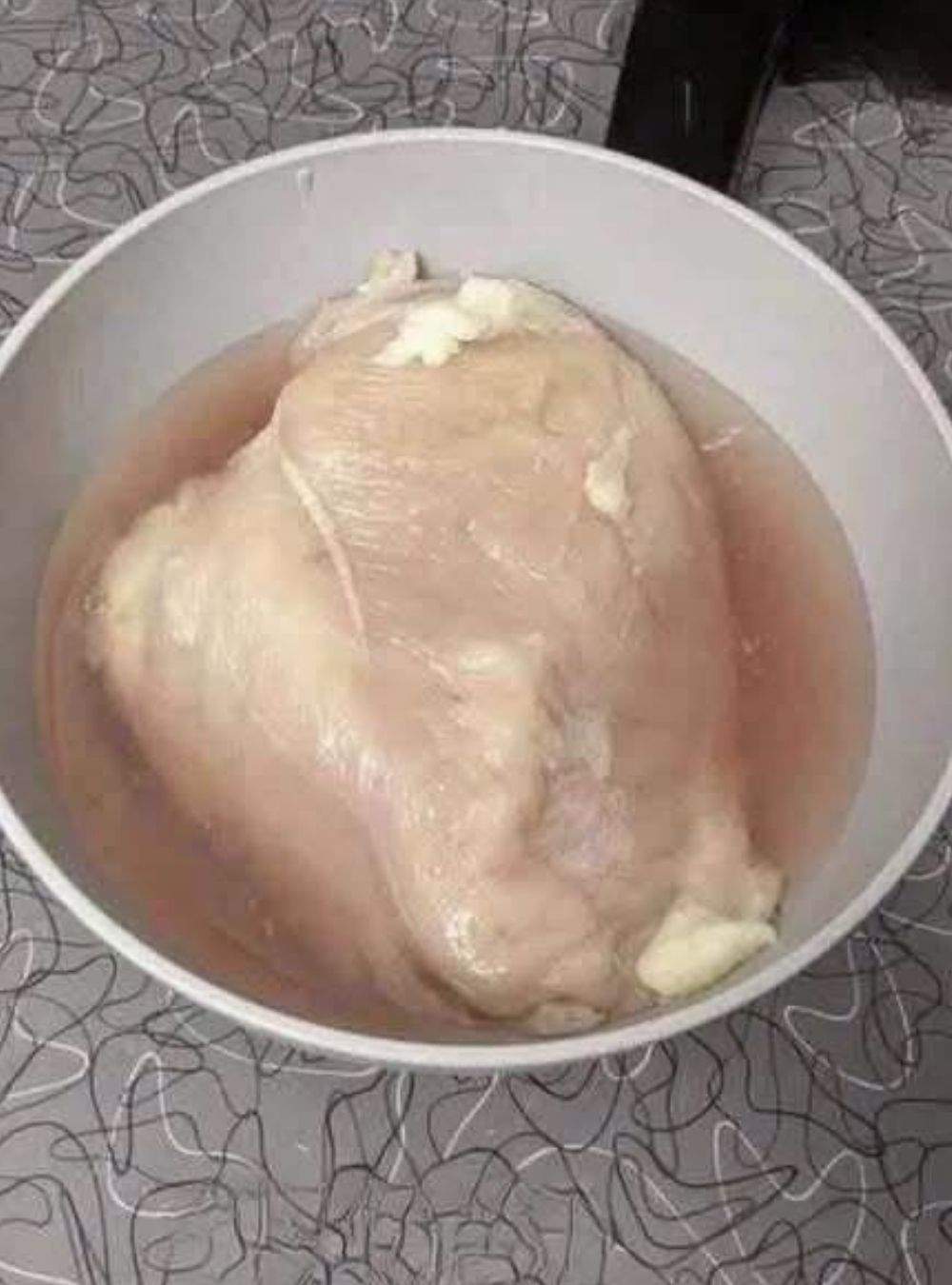
If cooked chicken has been sitting at room temperature longer than recommended, it is generally safest to throw it away. This may feel wasteful, especially if the chicken still looks and smells fine, but harmful bacteria do not always change the appearance, smell, or taste of food.
In other words, you cannot always tell whether chicken is safe just by looking at it.
Proper storage is just as important as timing. Leftover chicken should be placed in clean, shallow, airtight containers before going into the refrigerator. Shallow containers help the chicken cool more quickly and evenly, reducing the time it spends in the temperature range where bacteria can multiply.
The refrigerator should be kept at 40°F, or 4°C, or below. When stored correctly, cooked chicken is generally safe to eat for three to four days.
If you do not plan to eat it within that time, freezing is the better option. Cooked chicken can be frozen in airtight containers or freezer-safe bags. For best quality, remove as much air as possible and label the container with the date before placing it in the freezer.
When you are ready to use frozen cooked chicken, thaw it safely. The best method is to place it in the refrigerator and let it thaw slowly. You can also thaw it in cold water if it is sealed properly, or use the microwave if you plan to reheat and eat it right away.
Avoid thawing chicken on the counter at room temperature. While the center may still feel frozen, the outside can warm enough for bacteria to grow.
Reheating leftover chicken also requires care. The chicken should be heated thoroughly all the way through before serving. Stirring or turning the pieces during reheating can help distribute heat more evenly, especially when using a microwave.
It is also best to avoid reheating the same leftovers multiple times. Each cycle of cooling and reheating creates another opportunity for bacteria to grow if the food is not handled properly. A good habit is to reheat only the amount you plan to eat.
Leftover chicken can be safe, practical, and delicious when handled correctly. The key is to refrigerate it quickly, store it in the right containers, keep track of how long it has been in the refrigerator, and reheat it properly.
Simple food safety habits can make a big difference. By following the two-hour rule, using clean utensils, keeping leftovers cold, and reheating thoroughly, you can reduce health risks while making the most of your meals.
Leftovers should make life easier, not create unnecessary worry. With the right care, cooked chicken can remain a convenient and safe option for several days after it is prepared.