My hands burn and turn red after being in the cold, but I can’t see a doctor anytime soon. What should I do now?

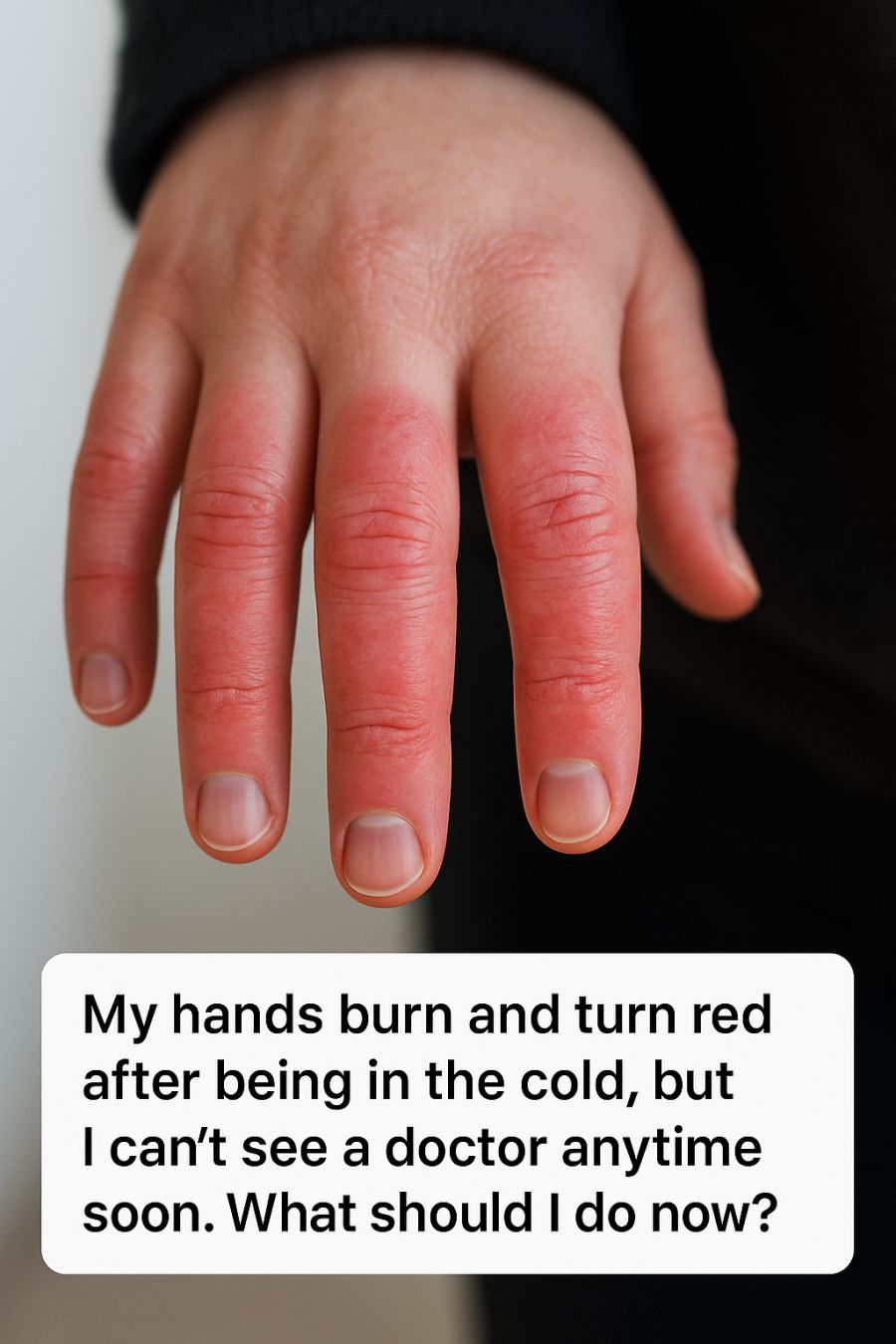
Proper layering is essential to protect your hands from cold weather. Start with thin, moisture-wicking gloves made of materials like silk or synthetic fibers as your base layer. These help keep your skin dry, which is crucial in preventing chilblains.
Over this, wear a thicker pair of insulating gloves made of wool or fleece for warmth. Finally, add a waterproof outer layer to shield your hands from wind and moisture. If you need to use your fingers for tasks, consider mittens instead of gloves, as they provide better warmth by keeping your fingers together and reducing heat loss.
6. At-Home Skin Care: Gentle Creams, Ointments, and Barrier Tricks
Taking care of your skin is vital to prevent and manage chilblains. Use creams and ointments that contain ingredients like lanolin, glycerin, or urea to help moisturize and protect your skin. Apply these products after washing your hands and before going outdoors.
Barrier creams can provide an additional layer of protection against the elements. Look for products designed to create a protective film on the skin, preventing moisture loss and shielding your hands from harsh weather conditions.
7. TikTok and Viral Hacks: What Actually Helps—and What to Skip
Social media is full of hacks for dealing with cold weather issues, but not all are effective or safe. One popular tip is using petroleum jelly as a barrier cream, which can be helpful, but avoid applying it to broken skin as it can trap bacteria and cause infection.
Another viral hack involves using hand warmers inside gloves. While this can be beneficial, ensure that the warmers are not in direct contact with your skin to avoid burns. Skip remedies that involve applying heat directly to the skin, like using hairdryers or electric heating pads, as these can cause burns and worsen symptoms.
8. Everyday Habits That Make Chilblains Worse Without You Realizing
Certain habits can unintentionally worsen chilblains. Smoking, for example, constricts blood vessels and reduces circulation, exacerbating symptoms. Similarly, drinking caffeine can have a similar effect, so it's wise to limit intake during cold spells.
Wearing damp clothing, including gloves, can also aggravate the condition. Always make sure your hands are dry before putting on gloves, and change out of wet clothes immediately after being outside. Staying hydrated and maintaining a healthy diet rich in vitamins C and D can support your body's ability to regulate temperature and heal skin.
9. Quick Home Remedies to Ease Pain and Itching Safely
To see the full instructions for this recipe, go to the next page or click the open button (>) and don't forget to share it with your friends on Facebook.