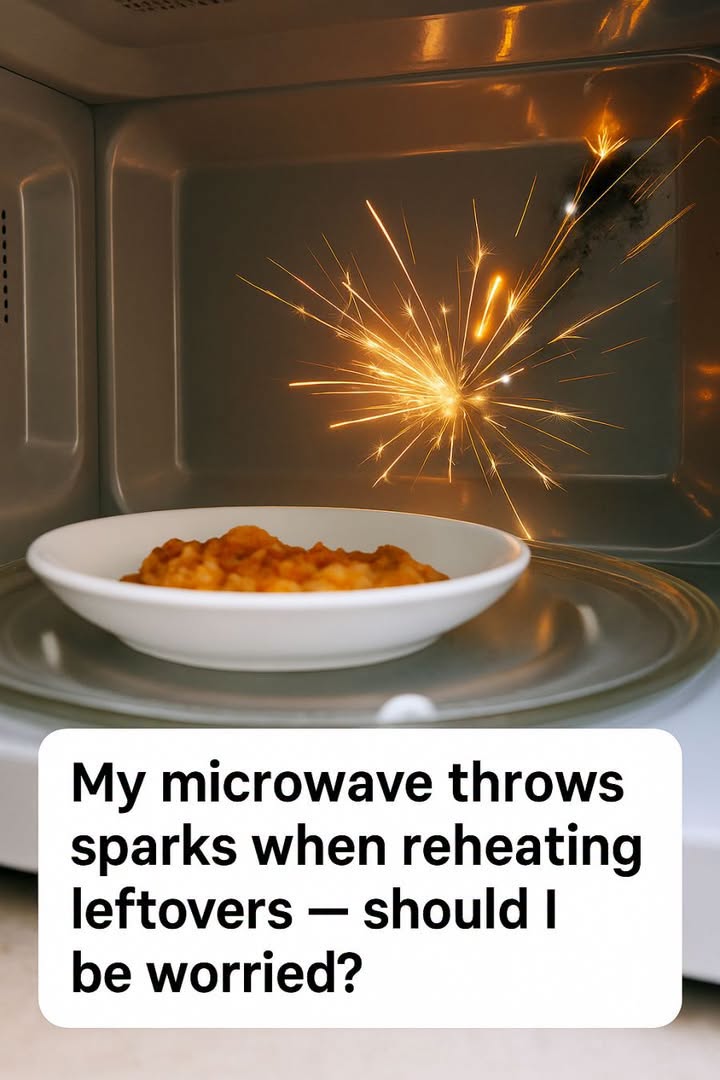
While this sparking is generally harmless, it's best to avoid microwaving such foods in their raw form. Instead, cook them on the stove or ensure they are thoroughly mixed with other ingredients to reduce the risk of sparking.
6. Why Certain Foods Arc: Salt, Iron, and Other Conductive Culprits
Foods that contain a high amount of ions, such as salt or iron, can also cause arcing in the microwave. The ions in salt can create conductive paths for electricity, leading to sparks. Similarly, foods rich in iron, like some meats, can generate enough conductivity to cause sparking.
To prevent this, be mindful of the quantity of salt and iron-rich foods you are microwaving. Stirring the food thoroughly and ensuring it is evenly distributed can help minimize the risk of sparking.
7. Viral Microwave Hacks That Can Backfire Spectacularly
The internet is full of microwave hacks, but not all of them are safe. For example, using a microwave to dry clothes or sanitize sponges can lead to sparking or even fires. These hacks often involve materials not meant for microwave use, such as synthetic fabrics or metal-containing sponges.
It's important to evaluate the safety of any microwave hack before trying it. Always prioritize safety over convenience to avoid damaging your appliance or risking a fire.
8. Simple Safety Checks to Do the Moment You See Sparks
The first step when you see sparks is to stop the microwave immediately and unplug it. Check for any visible metal objects or damage inside the microwave. Remove any metal items and inspect the microwave for signs of damage, such as burn marks or melted plastic.
If the sparks persist or if you notice any damage, it's best to consult a professional technician to assess the situation. Avoid using the microwave until you are sure that it is safe to do so.
9. How Damage Inside the Microwave Can Trigger Arcing
Damage to the microwave's interior, such as a cracked waveguide cover or a damaged magnetron, can cause arcing. These components are crucial for the microwave's functionality, and any damage can lead to abnormal wave reflection and sparking.
Regularly inspect the interior of your microwave for any signs of wear and tear. If you notice any damage, it's important to address it immediately to prevent further issues and ensure safe use of the appliance.
10. When It’s Safe to Keep Using Your Microwave — and When to Unplug It
next