
My Neighbor Gave Me a Bag of These: What Are They and How Do You Eat Them?

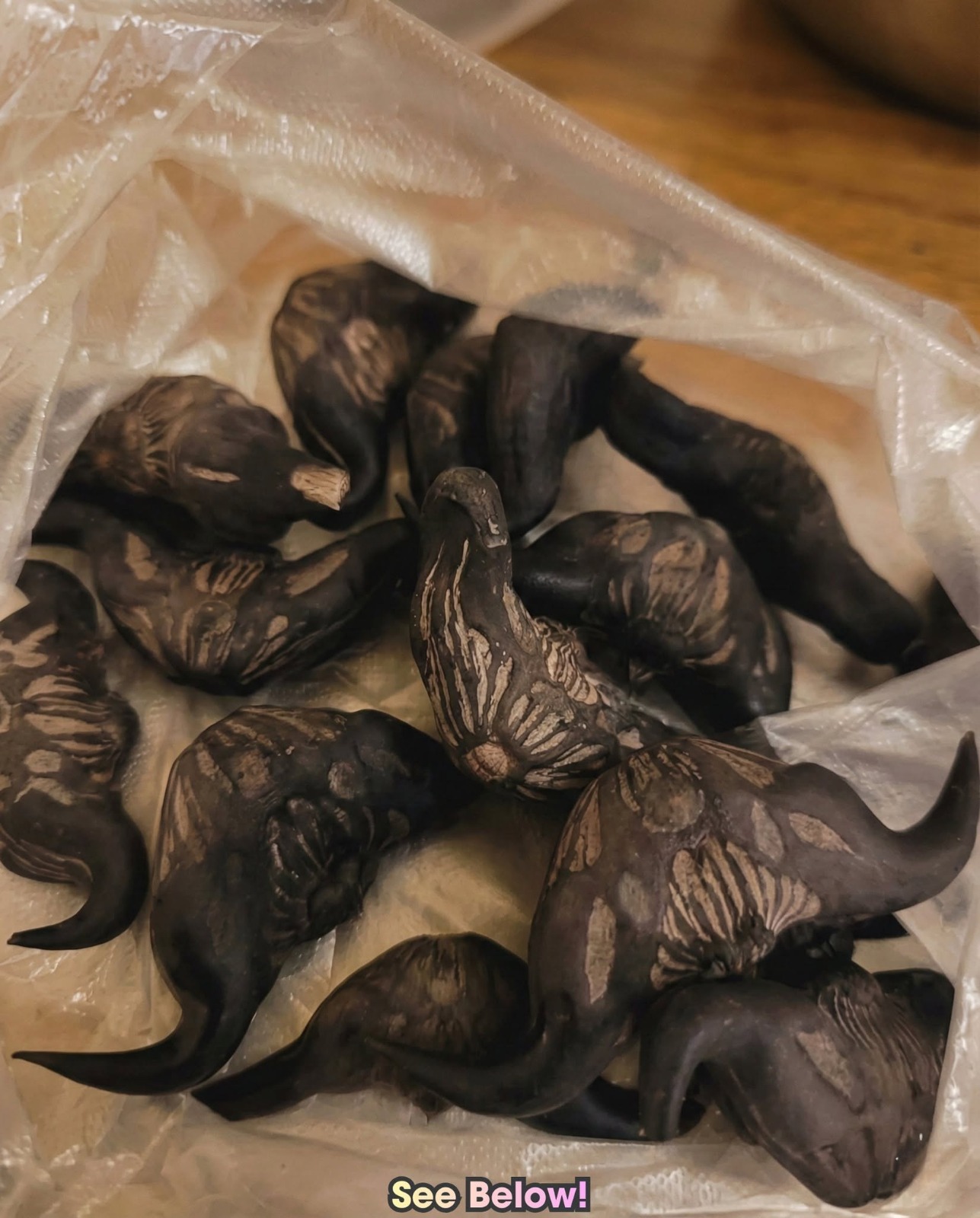
These are the most common "mystery bag" fruit in North America. They look like small, golden-orange cherry tomatoes wrapped in a papery, lantern-like husk. The husk is thin, dry, and slightly veined—like something you'd find in a craft store.
How to eat them: Peel off the husk (it comes off easily). Rinse the fruit inside. Eat raw. They taste like a cross between a tomato, a pineapple, and a vanilla bean. Sweet, tart, slightly tropical. Kids go nuts for them.
Best uses: Eat by the handful. Toss into fruit salads. Blend into smoothies. Cook down into jam (they have natural pectin). Dehydrate for fruit leather. Top yogurt or ice cream.
Storage: Keep in the husk in the fridge for up to two weeks. Remove the husk just before eating.
2. Pattypan Squash (Also Called Scallop Squash or Flying Saucer Squash)
These are the UFO-looking ones—pale green or yellow, flat, scalloped edges, about the size of a small fist. They're summer squash, related to zucchini and yellow crookneck.
How to eat them: No peeling needed. Slice off the stem end. Cut into wedges or slices. Eat raw in salads (mild, slightly nutty flavor) or cook like any summer squash. Sauté with butter and garlic. Roast with olive oil and herbs. Grill whole. Stuff like a mini bell pepper.
Best uses: Slice thin and add to pasta primavera. Roast with cherry tomatoes and fresh basil. Grate into fritters. Pickle them for a tangy snack. Add to vegetable kabobs.
Storage: Unwashed in a plastic bag in the fridge for up to a week. Don't wash until ready to use.
3. Kousa Dogwood Fruit (Yes, Really)
This one surprises people. The kousa dogwood is an ornamental tree that produces strange, bumpy, strawberry-looking fruits in late summer. They're pale pink to reddish when ripe, with bumpy skin that looks like a raspberry had a baby with a mango.
How to eat them: Let them get soft (like a ripe peach). Cut open. Eat the orange pulp inside. Do NOT eat the skin or the seeds—the skin is bitter and grainy, the seeds are hard. Scoop the pulp out with a spoon.
Taste: Sweet, creamy, tropical. Like a cross between mango, persimmon, and cantaloupe.
Best uses: Eat fresh pulp as is. Blend into smoothies. Strain and make into jam or fruit leather. Add to yogurt or oatmeal.
Warning: Some people have mild stomach upset if they eat too many. Start with one.
4. Figs (Fresh, Not Dried)
Figs are surprisingly unfamiliar to people who've only ever eaten them in Fig Newtons. Fresh figs are soft, slightly pear-shaped, and range from pale green to deep purple. They bruise easily and have a short shelf life.
How to eat them: Wash gently. Cut off the hard stem. Eat whole—skin, seeds, and all. The seeds are tiny and crunchy, like kiwi seeds. Don't peel.
Taste: Honey-sweet, jammy, with a slightly floral note.
Best uses: Eat raw. Halve and broil with goat cheese. Wrap in prosciutto. Slice into salads with arugula and balsamic. Roast with honey and thyme. Top pizza with prosciutto and fresh figs.
Storage: Eat within 2-3 days. Store in the fridge in a single layer, not stacked.
5. Asian Pears (Also Called Apple Pears)
These look like a cross between an apple and a pear because, well, they are. Round, crisp, sandy-textured skin, usually pale yellow with small brown speckles.
How to eat them: Eat like an apple—wash, bite, enjoy. The skin is edible. The texture is crisp and juicy, not soft like European pears.
Taste: Sweet, mild, refreshing, with a hint of rose or honey.
Best uses: Eat raw. Slice into salads. Julienne into slaws. Poach in wine or spices. Grate into muffin batter for moisture. Juice them.
Storage: Unripe Asian pears can sit on the counter for days. Ripe ones go in the fridge for up to two weeks.
How to Identify Mystery Produce (A Quick Cheat Sheet)
Next time you get a bag of something unfamiliar, run through these questions.
Does it have a papery husk? → Ground cherry or tomatillo (tomatillos are larger, more tomato-like, and tart).
Is it flat with scalloped edges? → Pattypan squash.
Does it look like a bumpy strawberry? → Kousa dogwood fruit (check the tree in your neighbor's yard).
Is it soft, pear-shaped, and slightly sticky at the stem? → Fresh fig.
Does it look like an apple but taste like a pear? → Asian pear.
Is it green, bumpy, and smells like a cucumber? → Armenian cucumber (actually a melon, but eat it like a cucumber).
Is it purple, spiky, and looks like something from a Dr. Seuss book? → Romanesco broccoli. It's cauliflower's cool cousin. Roast it.
The Easiest Recipe for Mystery Produce (No Matter What It Is)
If you still don't know what you're holding, or you just want a foolproof way to eat it, try this simple template.
Roasted Mystery Produce
Preheat oven to 400°F (200°C). Wash and chop your mystery fruit or vegetable into bite-sized pieces. Toss with olive oil, salt, pepper, and a sprinkle of garlic powder or dried herbs. Spread on a baking sheet in a single layer. Roast for 15-25 minutes, depending on size and density. Soft and caramelized? Done. Taste. Add a squeeze of lemon or a drizzle of honey if needed.
This works for pattypan squash, ground cherries (roast them in the husk—they steam inside), Asian pears (surprisingly good roasted), and even figs (cut in half, roast cut-side up, drizzle with honey).
You cannot go wrong with roasting. It's nature's apology for confusing you.
What If Your Neighbor Gave You Something Poisonous?
This is a fair concern. Most neighbors don't hand you poison, but it's smart to be careful.
Golden rule: If you didn't grow it and you don't 100% know what it is, don't eat it raw in large quantities. Take a small piece, taste a tiny bit, wait an hour. No reaction? Proceed.
Also: Some edible plants have inedible parts. Rhubarb stalks are great; rhubarb leaves are toxic. Potato skins are fine; green potatoes are not. Kousa dogwood pulp is delicious; the skin and seeds are not.
When in doubt, ask. Knock on your neighbor's door. "Hey, thanks for the bag! What is this, and how do you like to eat it?" They will not think you're dumb. They will be delighted to talk about their garden. I promise.
Frequently Asked Questions
Can I eat ground cherry husks?
No. The husk is papery and bitter. Peel it off and compost it.
Do pattypan squash need to be peeled?
No. The skin is thin and tender. Just wash well.
Are fresh figs supposed to be that soft?
Yes. Ripe figs are very soft, almost squishy. They don't travel well, which is why you usually only see dried figs in stores.
How do I know if an Asian pear is ripe?
They ripen on the tree, not off it. If it's firm and crisp, it's ready. Unlike regular pears, they don't get much softer. A ripe Asian pear should be crisp, like a good apple.
What's the weirdest thing a neighbor has ever given you?
According to my online poll: kousa dogwood fruit (common but weird-looking), a giant puffball mushroom (the size of a soccer ball), and something called "finger lime" that looks like a cucumber filled with citrus pearls.
Can you freeze mystery produce?
Most of it, yes. Ground cherries freeze beautifully in their husks. Pattypan squash freezes well if blanched first. Figs freeze but get mushy when thawed (fine for smoothies or baking). Asian pears freeze but lose their crisp texture (okay for cooking).
A Final, Grateful Thought
There's something special about a neighbor who grows more than they can eat. It's an act of quiet abundance—a way of saying, "We're in this together" without actually saying it.
Margaret didn't give me a bag of ground cherries because she wanted to confuse me. She gave them because she had a basket full on her counter, and she remembered that I once helped her bring her garbage cans up from the curb.
That's what neighbors do. They share. They give without expecting anything back. They hand you a brown paper bag and trust that you'll figure it out.
So if you've got a mystery bag sitting on your kitchen counter right now, don't stress. Peel one open. Take a bite. Google a photo if you need to. Call your neighbor and ask.
And when you figure out how to eat it, maybe make a little extra and pass a bag to someone else.
That's how gardens grow. That's how communities work. That's how a small, bumpy, unfamiliar fruit becomes a story you tell for years.
Now go eat your mystery produce. And maybe buy your neighbor a thank-you plant next spring.
What's the most mysterious thing a neighbor has ever handed you? Did you figure out what it was? How did you eat it? Share your stories in the comments—I genuinely love reading these, and someone out there probably has the same mystery bag right now.