
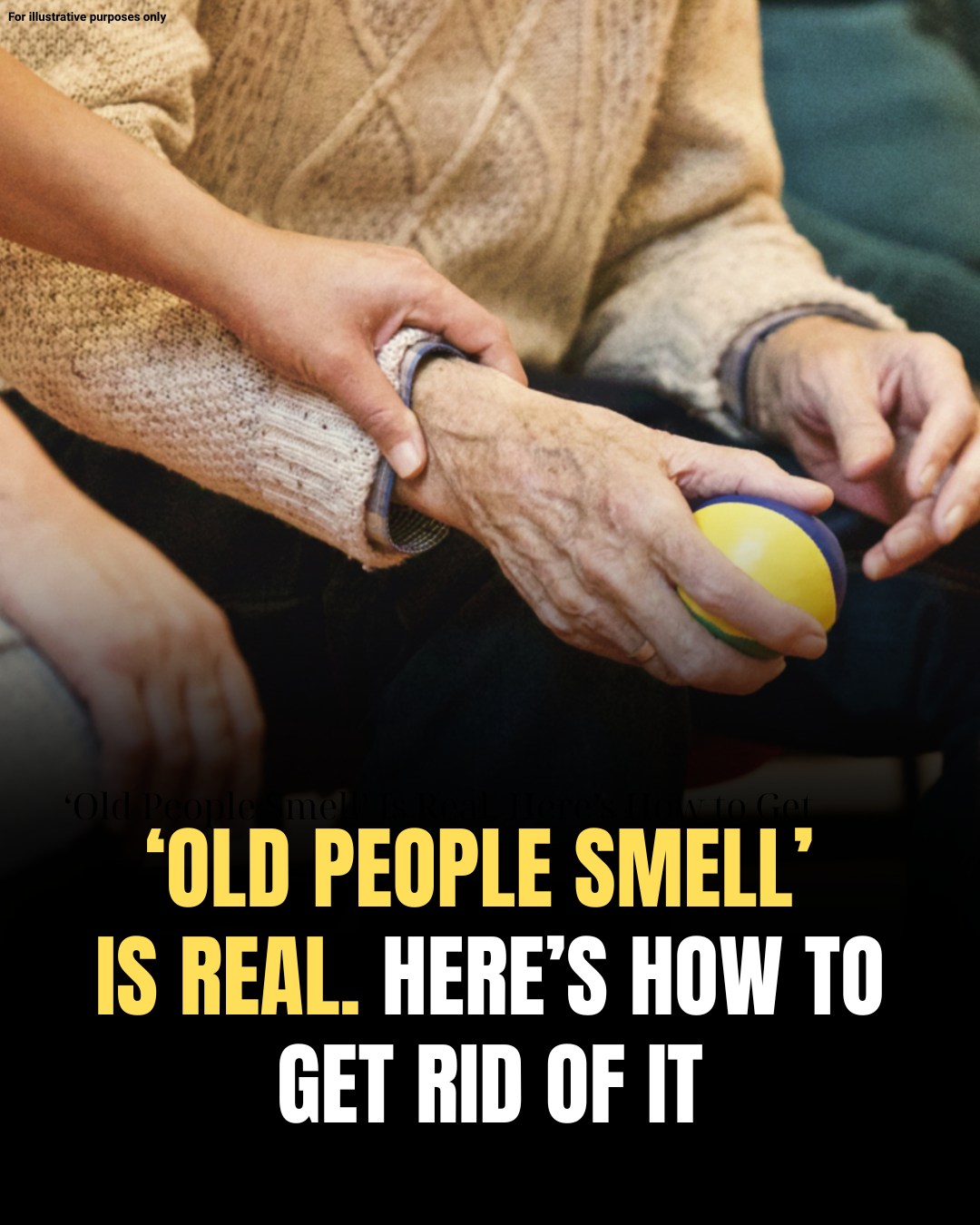
The distinctive scent often associated with aging—commonly described as musty, slightly greasy, or metallic—isn’t a result of poor hygiene. In fact, this phenomenon, colloquially known as “old people smell,” has a clear biological basis that has been identified and studied by scientists.

What Causes ‘Old People Smell’?
The key culprit is a compound called 2-nonenal, an unsaturated aldehyde that forms on the surface of the skin through a process called lipid peroxidation. This chemical reaction occurs when skin lipids (fats), particularly omega-7 fatty acids, oxidize over time.
As people age, several physiological changes contribute to the increase of 2-nonenal:
-
Decreased antioxidant production: The skin becomes less efficient at neutralizing free radicals, leading to more oxidative stress.
-
Slower skin cell turnover: Dead skin cells and oxidized oils remain on the surface longer.
-
Hormonal changes: Especially during and after menopause or andropause, shifts in sebum (skin oil) composition can promote the formation of 2-nonenal.

Why Soap and Perfume Don’t Work
CONTINUE READING...>>
To see the full instructions for this recipe, go to the next page or click the open button (>) and don't forget to share it with your friends on Facebook.