

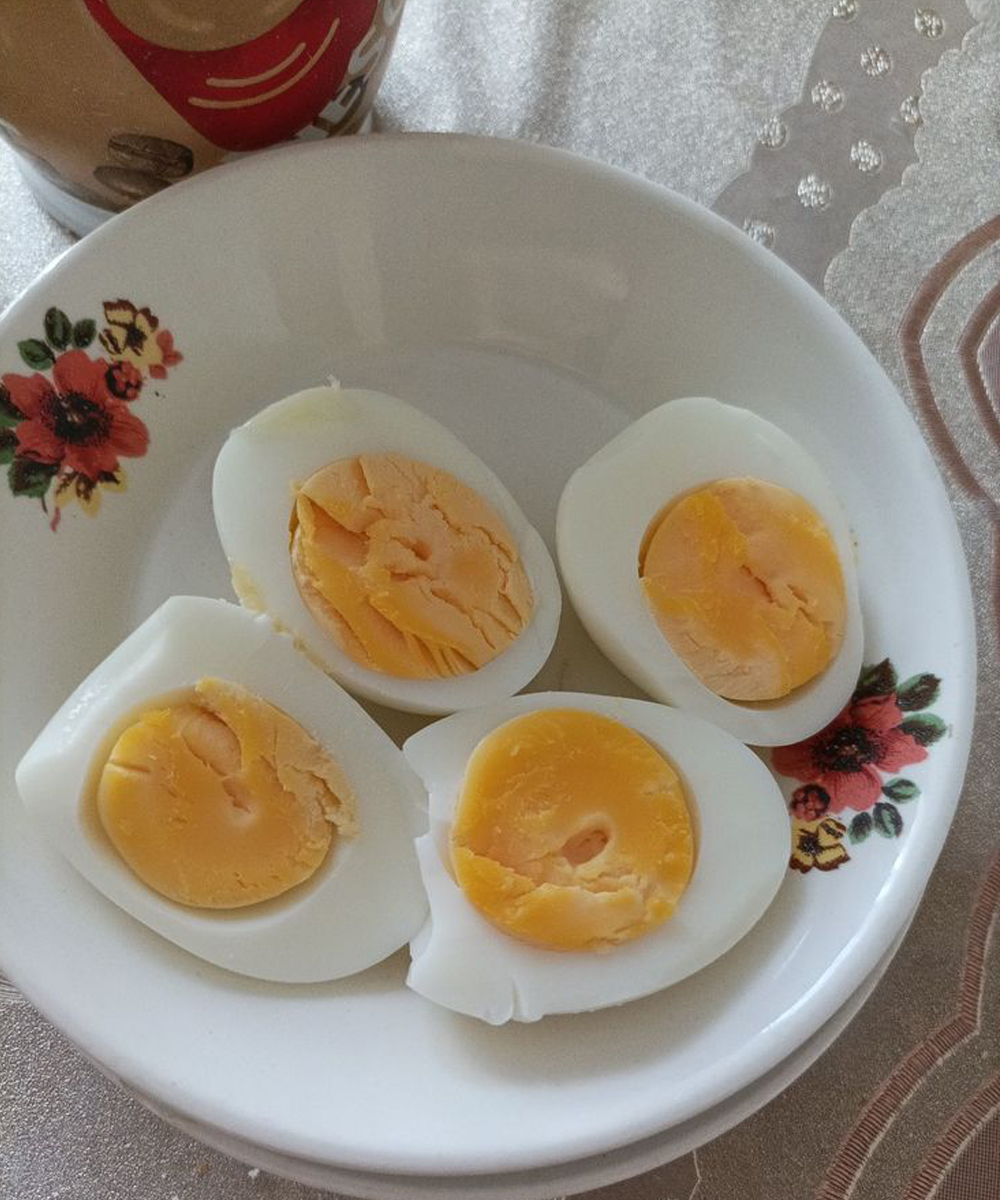
The egg is one of the most complete foods there is: it provides excellent quality protein, essential vitamins, minerals, and a feeling of fullness that few other foods can match. That’s why it’s such a popular choice for breakfast or to break a fast. However, certain habits in its consumption and storage can diminish its nutrients, promote bacterial growth, and even cause inflammation.
Fortunately, with simple adjustments, it’s possible to maximize its benefits and reduce the risks. Here you’ll find practical tips for identifying if an egg is fresh, how to store it correctly, why it’s not advisable to eat it raw, and also a recipe for safe and delicious homemade mayonnaise.
How to tell if an egg is fresh?
There’s a very simple trick:
Fill a glass with water.
If it sinks and lies horizontally, it’s a fresh egg.
If it floats, it’s an old egg. In that case, it’s best to use it as soon as possible or discard it.
This test works because over time, the contents of the egg lose moisture and the internal space fills with air, causing it to float.
Why should you never wash an egg before storing it?
Although it sounds logical, washing an egg can be harmful.
The shell has a natural protective layer that prevents bacteria from entering. Because it’s porous, if you wash it, this protection disappears, and microorganisms can easily get in.
Best option:
Store them as they are, without washing them, and always in the refrigerator.
Also, avoid placing them in the refrigerator door: the constant opening and closing creates temperature and humidity changes, deteriorates the shell, and accelerates aging.
The danger of raw eggs

For years, consuming raw eggs or egg white shakes to “gain muscle mass” became popular. But this causes two problems:
1. Reduced nutrient absorption
To see the full instructions for this recipe, go to the next page or click the open button (>) and don't forget to share it with your friends on Facebook.