

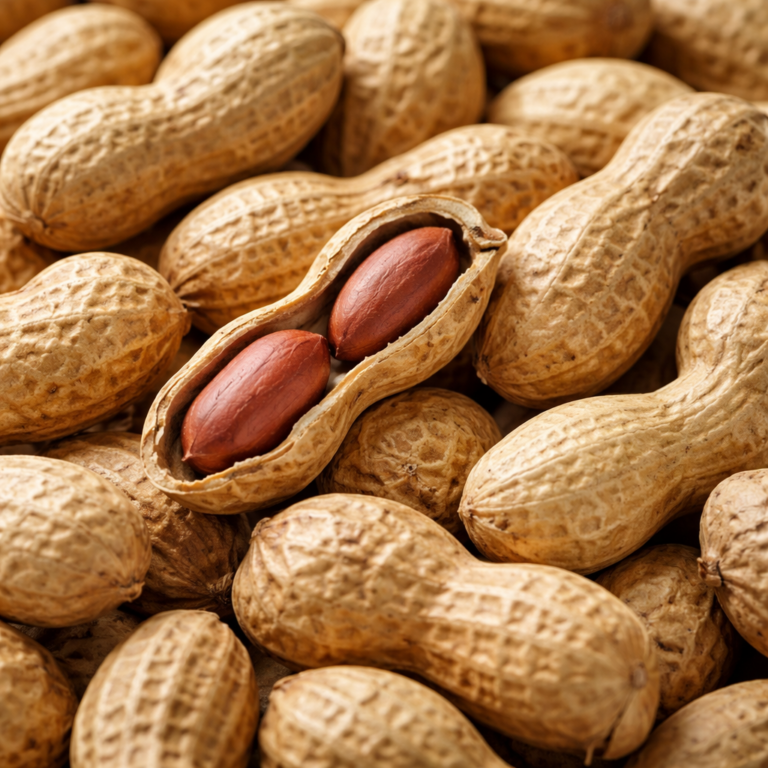
One of the most well-documented benefits of peanuts is their positive impact on cardiovascular health. Peanuts are high in monounsaturated and polyunsaturated fats, the same heart-friendly fats found in olive oil.
When you eat peanuts regularly (without excess salt or sugar), these fats help:
- Lower LDL (“bad”) cholesterol
- Maintain or raise HDL (“good”) cholesterol
- Reduce inflammation in blood vessels
Peanuts also contain resveratrol, a natural antioxidant linked to improved blood vessel function and reduced risk of heart disease.

3. You Feel Fuller for Longer
Peanuts are a powerful appetite regulator. Thanks to their unique combination of protein, healthy fats, and dietary fiber, they slow digestion and help stabilize blood sugar levels.
After eating peanuts:
- Your stomach empties more slowly
- Hunger hormones decrease
- Satiety hormones increase
This is why peanuts are often associated with better weight management. Despite being calorie-dense, people who eat peanuts regularly tend not to gain excess weight—largely because they feel satisfied sooner and snack less overall.
4. Your Blood Sugar Stays More Stable
CONTINUE READING...>>
To see the full instructions for this recipe, go to the next page or click the open button (>) and don't forget to share it with your friends on Facebook.