

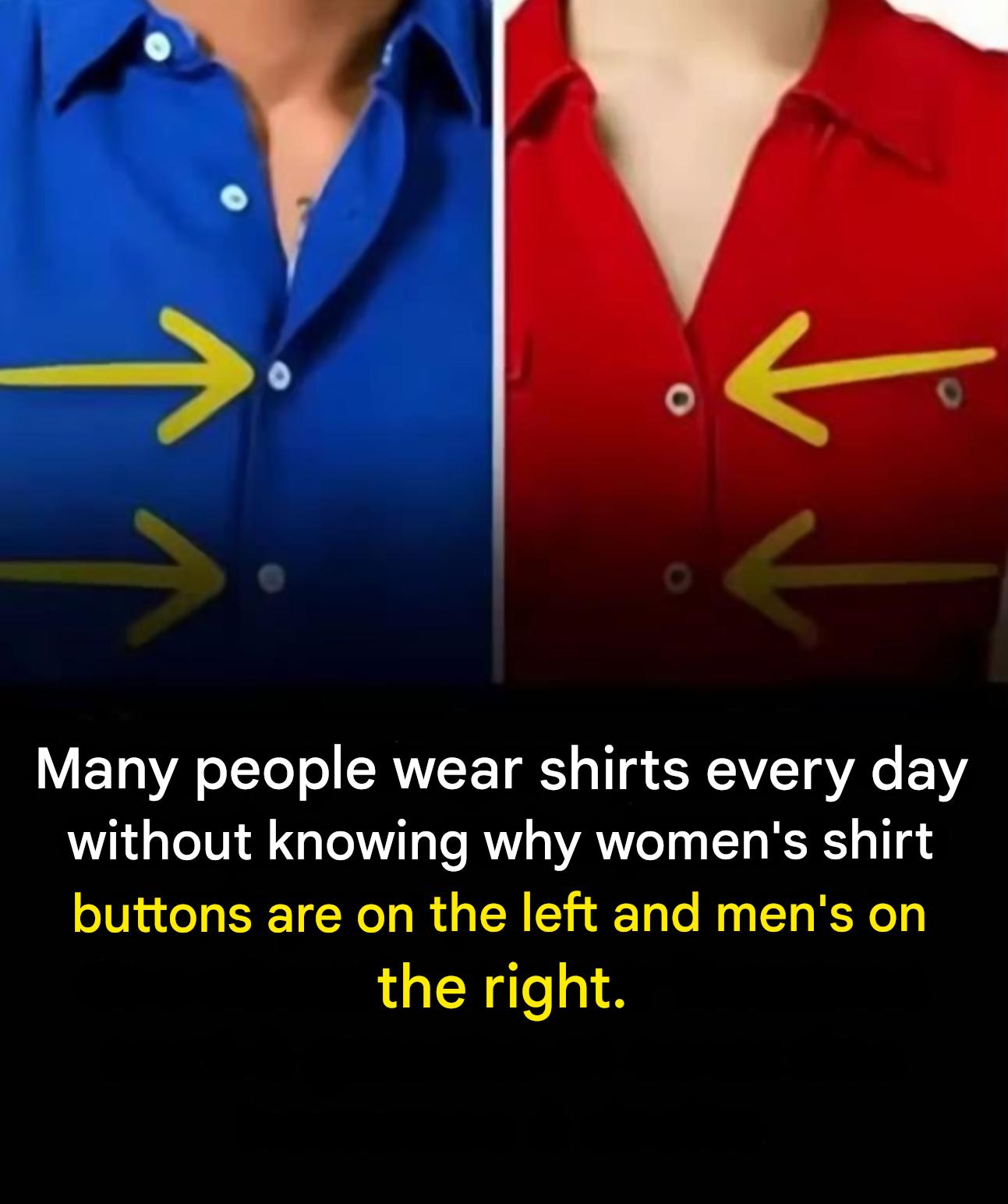
Today, most women dress themselves, quickly, and wear much simpler clothes than in the past. Yet, the rule has remained. Why? Because fashion operates largely through inheritance and the reproduction of codes.
Changing such an old detail requires revising patterns, industrial habits, and above all, implicit expectations. A garment whose buttons are "not on the right side" may seem strange, even if it is objectively more practical.
A matter of comfort… and freedom
Many right-handed women find it easier to button a shirt from the men's section. Some unconsciously choose their clothes for this reason, especially when shopping at thrift stores or adopting a more androgynous style.
This detail reveals something larger: our clothes are still largely designed according to old gender norms, sometimes disconnected from real uses and the diversity of bodies.
Towards a more neutral fashion?
With changing attitudes towards gender and identity, this distinction is slowly beginning to be questioned. Some brands are already exploring more inclusive, less gendered lines, where fit and practicality take precedence over traditional codes. Perhaps one day we will see collections where buttons are placed according to handedness… or simply in a universal way.
Mainstream brands like H&M or Forever 21 could one day change these standards, as consumer expectations change so much.
A detail that speaks volumes
This simple button ultimately tells a story far more than just a sewing tale. It speaks of traditions, social relationships, inherited norms, and their persistence in our daily lives. The next time you button your shirt, cursing a misplaced button, remember: you're not the one who's clumsy… it's just an outdated dress code that's never been updated.