
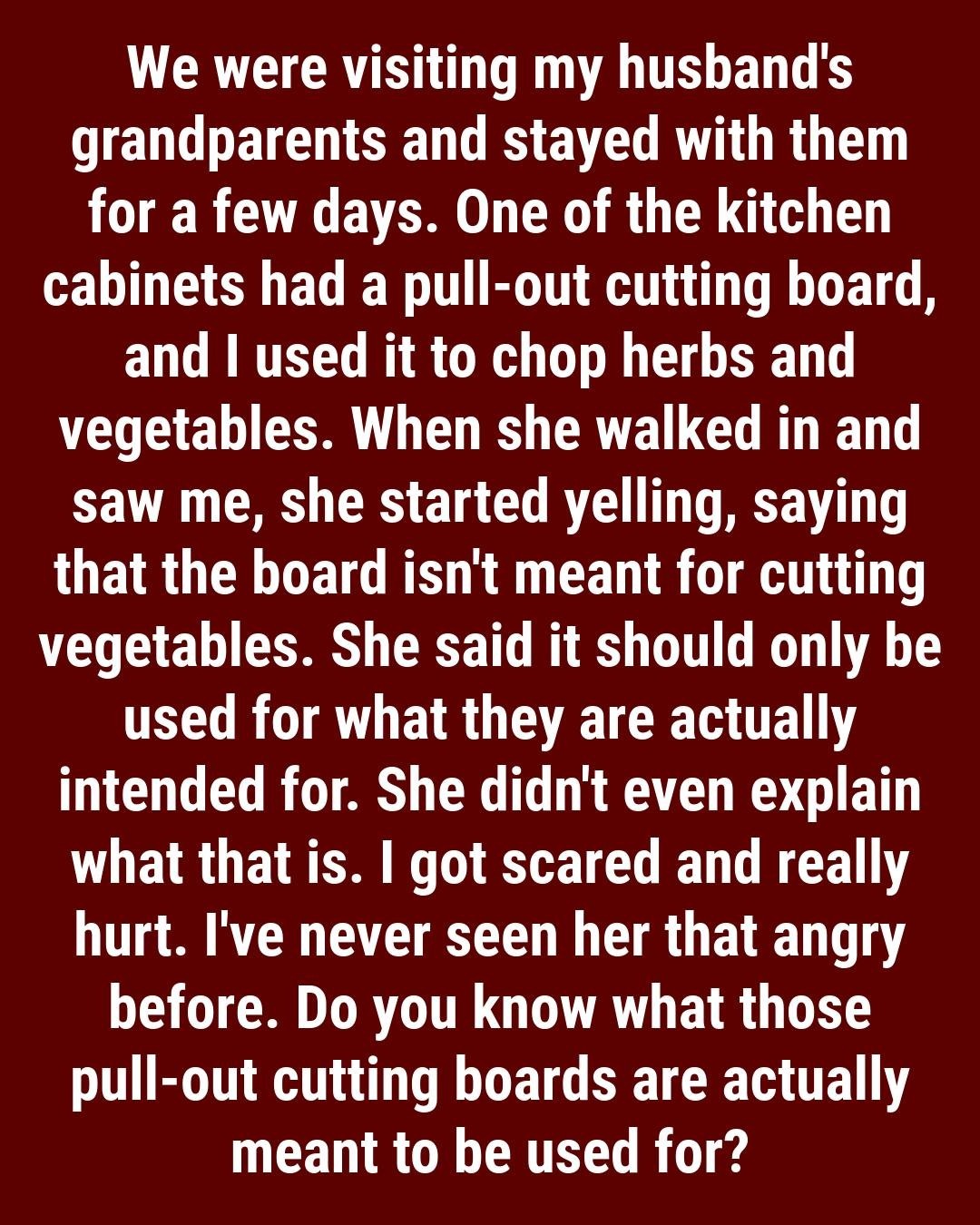
As kitchens modernized in the 20th century—especially with the rise of electric stoves, stainless steel counters, and pre-sliced bread—the need for built-in baker’s boards faded. But the cutting board itself didn’t disappear—it evolved.
- Wooden boards remained popular for their knife-friendly surface.
- Plastic boards emerged in the mid-1900s as “sanitary” alternatives (though wood, when properly cared for, is naturally antimicrobial).
- Specialized boards appeared: meat boards, vegetable boards, cheese boards, even colored boards to prevent cross-contamination.
Yet, many modern kitchen designers are now bringing back the pull-out board—not just for nostalgia, but for functionality in compact spaces.
🌿 Caring for Your Cutting Board (Then and Now)
Whether you use wood, bamboo, or plastic, proper care extends its life and keeps your food safe:
- Wooden boards:
- Wash with mild soap + warm water (never soak!)
- Dry upright to prevent warping
- Oil monthly with food-grade mineral oil (not olive or vegetable oil—they go rancid)
- Plastic boards:
- Dishwasher-safe, but hand-washing preserves them longer
- Replace when deeply grooved (bacteria harbor in scratches)
💡 Pro Tip: Keep two boards—one for raw meat/fish, one for produce/bread—to reduce cross-contamination.
❤️ The Quiet Wisdom of the Cutting Board
That simple slab in your kitchen? It’s more than a surface—it’s a link to centuries of home cooks, bakers, and artisans who knew that good food starts with a clean, steady place to work.
So the next time you dice an onion or slice a loaf, take a moment to appreciate this humble tool. It’s been shaping meals—and history—for millennia.
“A kitchen isn’t built on gadgets—it’s built on simple things, used well.” 🍞🪵✨