

4 Principles From Confucius For Living Well In Your Golden Years
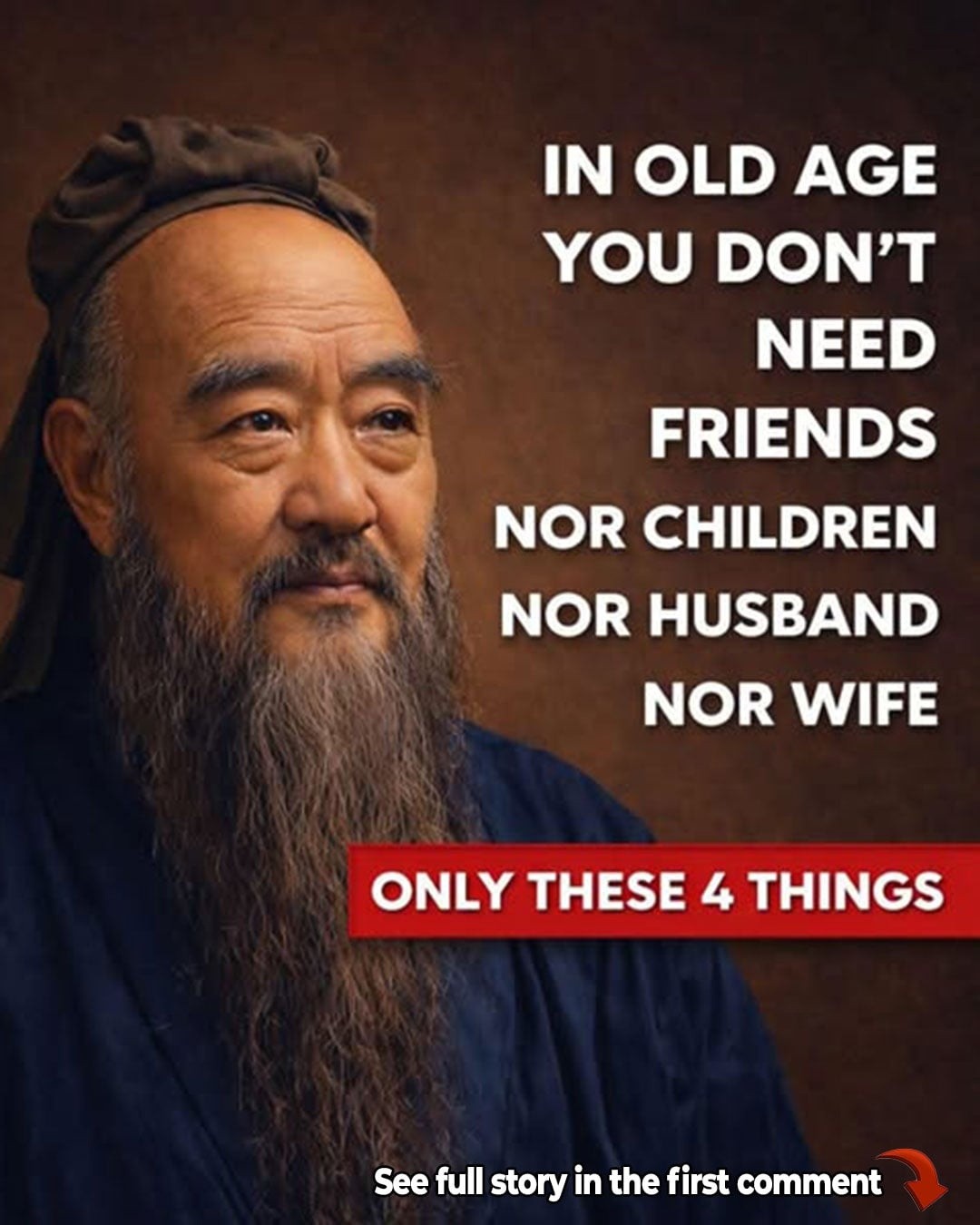
Confucius had a profound respect for the “Great Way” of nature, which includes the passage of time. One of the greatest thieves of happiness in old age is a dysfunctional relationship with time; either a desperate clinging to the past or a fearful scanning of the future. Confucius, however, emphasized the importance of the present task. He believed that if a person hears the Way in the morning, they may die in the evening without regret.
Living in the present, from a Confucian perspective, isn’t about hedonism or YOLO-ing (You Only Live Once) life. Rather, it is about the mindfulness of duty and the appreciation of the current season of life. Many people reach their golden years only to spend them mourning their youth. They view time as a predator that has stolen their beauty and energy. Confucius suggests a different path: seeing each stage of life as having its own specific propriety.
To be happy in old age, we must learn to stop fighting the clock and start walking with it. This involves a shift from doing to being. In our youth, time is a resource to be spent on building. In our older years, time is a space to be inhabited. Confucius emphasized the beauty of the daily ritual. Whether it is the way we drink our tea, the way we greet the sunrise, or the way we listen to a friend, these small moments are where life actually happens.
If we train ourselves now to find satisfaction in the here and now, we won’t find ourselves lost when the fast-paced distractions of the working world fall away. Contentment in old age comes from the realization that this moment, right now, is the only one where virtue can be practiced and joy can be felt. By letting go of the ghosts of our younger years and the monsters of our future, we free ourselves to experience the richness of our senior years. We learn to see time not as a countdown to an end, but as a continuous unfolding of the Way.
3. Human Relationships: Our True Wealth

In the West, we often talk about saving for retirement, and we almost always mean money. For Confucius, the ultimate retirement fund is your Relational Wealth. Confucianism is a deeply social philosophy; it states that we do not exist in a vacuum. We are defined by our roles: as children, parents, siblings, friends, and citizens.
Xiao(filial piety) is perhaps the most famous Confucian concept, emphasizing the respect and care children owe their parents. However, this is a two-way street. To be a person who is loved and cared for in old age, one must be a person who has invested deeply in others throughout their life. Confucius believed that the highest joy is “having friends come from afar.”
Modern isolation is one of the greatest risks to the elderly. We often spend our middle years prioritizing networking over friendship and career over family. Confucius warns us that this is a poor trade. True wealth in your golden years is the number of hands willing to hold yours and the number of hearts that carry your stories. To live happily in old age, we must prioritize the Five Relationships and cultivate them with sincerity and Ren (benevolence).
CONTINUE READING...>>
To see the full instructions for this recipe, go to the next page or click the open button (>) and don't forget to share it with your friends on Facebook.