

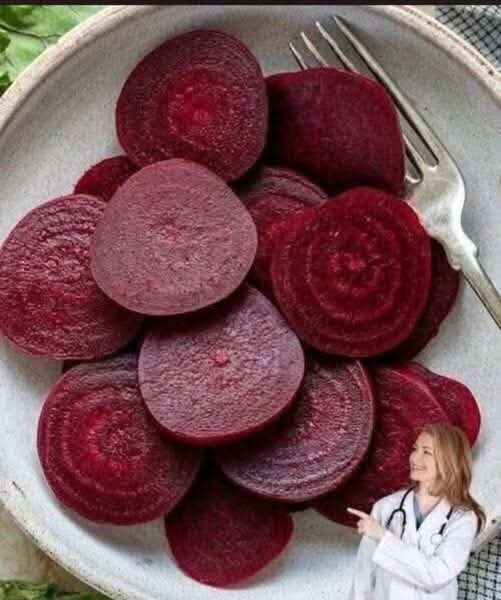
The vibrant red color of beetroot is possibly one of the most memorable cautionary colors in the natural world—or is it? For years, this root veggie has had the reputation of being a pariah on the dinner plate, occupying the forgotten spaces in the salad bar, or at best served warm but pickled in a way that tasted like soil and not food.
We have always regarded beets as a burden rather than a delicacy. However, it must be noted that we are now in the middle of one of the largest paradigm shifts in cultural science history. The beet has been taken off the kitchen shelves and brought into the spotlight of nutritional research to claim its status as one of the most studied functional foods available today. There are multiple reasons for this turn of events, none of which are due to marketing or plant-based diets alone. The truth is, beetroot is possibly one of the keys to improved circulation, athletics, and brain function.
But if we want to explore the reasons for this sudden adoration of beets by both nutrition experts and top-level athletes, we have to peel back their tough skin covered with soil.
Beets are like natural chemistry laboratories. While most vegetables have one feature that makes them stand out—such as vitamin C in oranges or potassium in bananas—beets contain a combination of micronutrients that work together to influence different physiological functions.
One such micronutrient is folate, or vitamin B9, an essential component in DNA repair and the production of new red blood cells. Beets also contain an abundant supply of manganese, an element required for metabolic activity and healthy bones, and they are one of the few natural plant sources of betalains. Although betalains give beets their bright red color, inside the body these compounds act as powerful antioxidants and anti-inflammatories. Rather than remaining passive in the body, they act as active agents that help counter oxidative stress and neutralize free radicals linked to chronic disease.

The chemistry of circulation
However, while the vitamins that the beet provides might make a difference for our health, what makes it particularly transformative is the fact that it is an essential source of dietary nitrates. It is here where the real science behind the beet comes into play. What happens when we eat a beet? We trigger a natural process through which the nitrates in the beet are converted into nitrites by natural bacteria in our mouths and stomachs. These are then used by our bodies to create nitric oxide, which is an essential signaling agent for the human cardiovascular system. One thing that nitric oxide does is act as a vasodilator. In simpler terms, this means that it tells the muscles around our blood vessels to relax and open up.
It is not just a concept, as some of the most prominent research published in scientific publications, such as those from the National Institutes of Health, have shown that one glass of beetroot juice may cause a decrease in systolic blood pressure in as little as an hour or two. With hypertension being a problem in our society, the beet is thus a natural and practical way to solve this health issue, as it works in perfect symbiosis with the workings of the human organism. Improved circulation affects more than just our hearts since any part of our body that depends on oxygen and nutrients would also benefit.

Managing inflammation and recovery
CONTINUE READING...>>
To see the full instructions for this recipe, go to the next page or click the open button (>) and don't forget to share it with your friends on Facebook.